Drew Pritchard A Detailed Look at His Life Career and Influence in the Antiques World

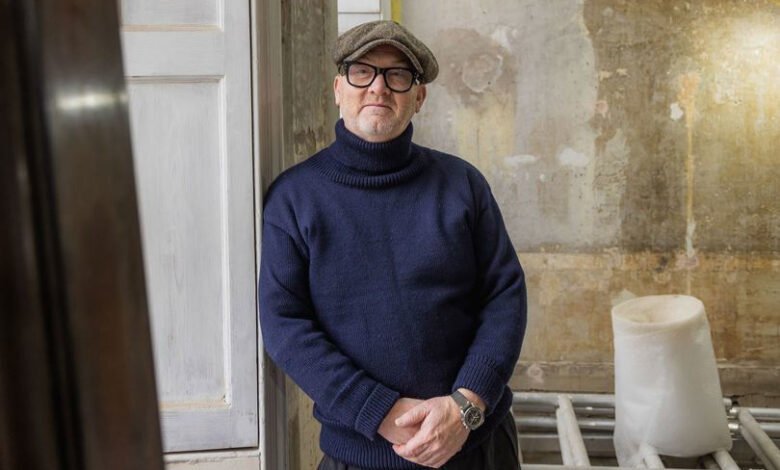
Drew Pritchard is a name that has become closely associated with antiques, architectural salvage, and the art of finding beauty in forgotten objects. Known for his sharp eye and deep knowledge of historical design, he has helped bring antiques into modern homes while keeping their stories alive. This article explores his journey, professional achievements, and lasting impact on the antiques industry in a clear, expert, and reader-friendly way.
Early Life and Background
The early years of Drew Pritchard played a major role in shaping his appreciation for craftsmanship and history. Growing up surrounded by traditional buildings and historic settings, he developed a curiosity for how things were made and why they lasted. This environment helped him understand the value of materials, design, and authenticity from a young age.
His interest in old objects was not limited to collecting. He was fascinated by the stories behind items, including who made them and how they were used. This storytelling aspect later became one of the defining features of his professional work. Instead of seeing antiques as outdated, he viewed them as cultural records.
Education and hands-on experience further refined his perspective. Learning through real-world exposure allowed him to recognize quality and spot rare details that others might overlook. This practical knowledge became a foundation for his later success.
These early influences helped him develop a balanced approach to antiques. He combined emotional appreciation with analytical thinking, which proved essential in a competitive market. His background prepared him for a career that required both passion and discipline.
Entry Into the Antiques Trade
Entering the antiques trade is rarely simple, and this was no exception. The early phase of his career involved learning the basics of buying, selling, and restoring items. This period was marked by trial and error, which helped him understand pricing, demand, and historical value.
Working with architectural salvage gave him access to large-scale items such as doors, windows, and fixtures. These pieces required not only knowledge but also logistical skill. Handling such materials helped him build confidence and expertise in areas many dealers avoid.
Networking played a key role in his professional growth. Relationships with collectors, restorers, and historians allowed him to expand his understanding of different periods and styles. These connections also helped him gain access to unique pieces.
Over time, his reputation grew as someone who respected history while adapting it for contemporary use. This balance set him apart and allowed him to build a sustainable business model in a challenging industry.
Rise to Public Recognition
Public recognition came as a result of years of consistent work rather than sudden exposure. Media opportunities allowed him to share his expertise with a wider audience. Television, in particular, became a platform for demonstrating how antiques can fit into modern life.
Viewers responded to his practical explanations and straightforward opinions. Instead of presenting antiques as untouchable museum pieces, he showed how they could be functional and stylish. This approach helped demystify the antiques world for beginners.
The increased visibility also brought new challenges. Public figures in niche industries must balance authenticity with entertainment. He managed this by staying true to his professional standards while engaging a broader audience.
This period marked a turning point in his career. Public recognition expanded his influence beyond traditional collectors and introduced antiques to people who had never considered them before.
Business Philosophy and Professional Approach
A strong business philosophy underpins long-term success, especially in a specialized field. His approach focuses on quality, originality, and historical accuracy. Rather than chasing trends, he emphasizes timeless design and craftsmanship.
Restoration is handled with care and restraint. Preserving original features is considered more valuable than over-polishing or altering an item. This philosophy respects the object’s history and enhances its long-term value.
Pricing is another important aspect of his method. Fair valuation benefits both buyers and sellers, helping to maintain trust in the market. Transparency in this area has contributed to his professional credibility.
This thoughtful approach has allowed him to build a brand based on reliability and expertise. It demonstrates that commercial success and respect for heritage can coexist.
Influence on Modern Interior Design
Antiques have increasingly found their place in modern interior design, and his work has contributed to this shift. By showing how old and new elements can coexist, he helped redefine design norms. Mixing historical pieces with contemporary settings adds depth and character to spaces.
Designers and homeowners alike have embraced this philosophy. Antiques are no longer seen as heavy or outdated but as statement pieces that bring warmth and authenticity. This perspective has broadened the appeal of antique furnishings.
His influence also encouraged sustainable design practices. Reusing and repurposing existing materials reduces waste and preserves craftsmanship. This aligns well with modern environmental values.
Through these contributions, Drew Pritchard helped bridge the gap between history and modern living, proving that antiques remain relevant in today’s design landscape.
Challenges and Personal Growth
Every long career includes challenges, and the antiques trade is no exception. Market fluctuations, changing tastes, and public scrutiny can all create pressure. Navigating these obstacles requires resilience and adaptability.
Personal growth often comes from facing difficulties directly. Learning from setbacks allowed him to refine his approach and focus on what truly mattered professionally. These experiences strengthened his decision-making skills.
Balancing public attention with private life is another challenge. Maintaining boundaries helps preserve personal well-being while sustaining a public role. This balance is essential for long-term success.
Ultimately, overcoming challenges contributed to his maturity as a professional. Each experience added depth to his understanding of both the industry and himself.
Legacy and Long-Term Impact
The long-term impact of his work extends beyond individual projects. By promoting respect for historical objects, he influenced how people view and value the past. This cultural contribution is as important as commercial success.
His emphasis on education helped raise standards within the antiques community. Encouraging informed buying and ethical restoration supports a healthier market. This approach benefits collectors and professionals alike.
Future generations of dealers and designers can learn from his example. Combining passion with discipline creates a sustainable career path. His work demonstrates that expertise remains valuable even in a rapidly changing world.
The legacy of Drew Pritchard lies in his ability to connect history with everyday life, ensuring that craftsmanship continues to be appreciated and preserved.
Final Thoughts
The career of Drew Pritchard illustrates how dedication, knowledge, and authenticity can build lasting influence. His journey from early interest to public recognition reflects years of consistent effort and respect for his craft.
By focusing on quality and storytelling, he helped reshape public attitudes toward antiques. His work shows that historical objects can remain functional, relevant, and meaningful.
As trends continue to evolve, the principles he promotes remain timeless. Appreciation for craftsmanship and history will always have a place in design and culture.
His story serves as both inspiration and guidance for anyone interested in antiques, design, or creative entrepreneurship.
Frequently Asked Questions
Who is Drew Pritchard best known as?
He is best known as an antiques dealer and architectural salvage expert with strong influence in media and design.
What makes his approach to antiques unique?
His focus on authenticity, minimal restoration, and historical respect sets him apart from trend-driven practices.
How has he influenced modern interior design?
He helped popularize mixing antiques with contemporary spaces, making old pieces feel relevant and stylish.
Is architectural salvage an important part of his work?
Yes, working with reclaimed architectural elements has been central to his professional identity and expertise.
What can new collectors learn from his career?
They can learn the importance of research, patience, and valuing quality over quantity.
Why is his legacy significant in the antiques world?
His legacy lies in raising awareness, improving standards, and showing that antiques can thrive in modern settings.