Buffalo Bills vs Denver Broncos Match Player Stats: Complete Game Analysis and Top Performances

Introduction
The buffalo bills vs denver broncos match player stats provide valuable insight into how both teams performed on the field and which players made the biggest impact. Every meeting between the Buffalo Bills and the Denver Broncos attracts attention because both franchises have a rich NFL history and talented rosters capable of producing exciting football. Whether fans are analyzing quarterback efficiency, rushing production, receiving numbers, or defensive highlights, player statistics help explain why the game unfolded the way it did.
Looking beyond the final score tells a much deeper story. Passing accuracy, third-down conversions, turnovers, sacks, and explosive plays often determine the outcome of a competitive NFL matchup. Individual performances also reveal which players stepped up under pressure and who influenced momentum during critical moments.
In this article, we take a detailed look at the buffalo bills vs denver broncos match player stats, breaking down offensive leaders, defensive standouts, special teams contributions, and the key moments that shaped the contest. Whether you’re a Bills supporter, a Broncos fan, or simply an NFL enthusiast, this guide offers a complete statistical overview.
Game Overview
A Competitive NFL Showdown
Whenever Buffalo and Denver meet, fans expect a physical and strategic battle. The Bills typically rely on an explosive passing attack combined with aggressive defense, while the Broncos often emphasize balanced offense and disciplined defensive execution. This contrast in playing styles creates an entertaining matchup from kickoff until the final whistle.
Both coaching staffs entered the game with carefully designed game plans. Buffalo aimed to stretch the field through its talented receivers, while Denver focused on limiting explosive plays and controlling possession through efficient offensive drives.
Throughout the contest, momentum shifted multiple times. Big completions, defensive stops, and timely turnovers kept fans engaged as both teams fought for field position and scoring opportunities.
Statistics from every quarter highlight how small advantages eventually translated into game-changing plays. From passing efficiency to red-zone execution, every number contributed to the overall outcome.
Why Player Statistics Matter
Player statistics provide far more than simple numbers on a scoreboard. They reveal how efficiently each position group performed and identify the athletes who made the biggest difference throughout the game.
Quarterback completion percentage measures consistency, while rushing yards indicate offensive balance. Receiving totals showcase reliable targets, and defensive statistics such as tackles, sacks, and interceptions illustrate which defenders controlled the game.
Advanced metrics also help coaches evaluate decision-making, efficiency, and overall execution. Fans use these numbers to compare performances across the season and understand individual contributions beyond highlights.
The buffalo bills vs denver broncos match player stats allow analysts to break down strengths, weaknesses, and adjustments that influenced the final result.
Buffalo Bills Offensive Player Stats
Quarterback Performance
Buffalo’s quarterback played a major role in directing the offense. Strong pocket awareness, accurate throws, and effective leadership allowed the Bills to move the football consistently throughout the game.
Short and intermediate passes helped establish offensive rhythm before several deep completions stretched Denver’s secondary. Good decision-making minimized risky throws while extending drives during important possessions.
The quarterback also contributed with timely scrambles whenever defensive pressure forced him outside the pocket. These rushing attempts created additional first downs and prevented stalled drives.
Overall passing efficiency reflected strong preparation, confidence, and chemistry with the receiving corps.
Running Back Contributions
The Bills’ running backs played an important supporting role by maintaining offensive balance. Consistent rushing attempts forced Denver’s defense to respect the ground game instead of focusing entirely on defending the pass.
Several runs gained valuable yardage on early downs, setting up manageable third-down situations. Good vision, patience, and quick acceleration helped runners find openings behind their offensive line.
Running backs also contributed in the passing game through check-down receptions and screen plays. Their versatility created matchup problems for linebackers and added another dimension to Buffalo’s offense.
As the game progressed, effective rushing helped control the clock and reduce defensive pressure on the quarterback.
Buffalo Bills Receiving Player Stats
Wide Receivers Made the Biggest Plays
Buffalo’s receiving unit played a crucial role in moving the chains and creating explosive scoring opportunities. The wide receivers consistently found separation against Denver’s secondary, allowing the quarterback to distribute the ball efficiently throughout the game. Their precise route running and dependable hands helped sustain long offensive drives.
Several receivers recorded multiple first-down catches, especially during key third-down situations. These timely receptions kept Buffalo’s offense on the field and prevented Denver’s defense from gaining momentum. Deep crossing routes and sideline catches also stretched the Broncos’ defensive coverage.
Yards after the catch proved to be another strength for the Bills. Instead of simply making receptions, the receivers turned short completions into significant gains by breaking tackles and finding open space. This ability added valuable offensive production without requiring difficult downfield throws.
The buffalo bills vs denver broncos match player stats showed that Buffalo’s passing attack benefited greatly from balanced receiving production rather than relying on a single playmaker. Multiple targets contributed meaningful yardage, making the offense difficult to defend.
Tight End Impact
The Bills’ tight end served as an important safety valve throughout the game. Reliable hands and strong positioning allowed him to make catches over the middle, especially in short-yardage situations where accuracy and timing were essential.
His presence also helped inside the red zone, where larger targets often create matchup advantages against linebackers and defensive backs. Even when not catching passes, the tight end contributed by providing effective run blocking that supported Buffalo’s rushing attack.
Several key completions to the tight end extended drives and helped maintain offensive rhythm. These dependable plays demonstrated the value of having a versatile player capable of contributing both as a receiver and blocker.
Overall, Buffalo’s receiving corps displayed excellent chemistry with the quarterback, resulting in one of the team’s strongest offensive performances.
Denver Broncos Offensive Player Stats
Quarterback Performance
Denver’s quarterback showed resilience throughout the contest despite facing consistent pressure from Buffalo’s defensive front. He remained composed in the pocket, completing several accurate passes while attempting to keep the Broncos competitive.
Quick decision-making allowed Denver to move the football efficiently during several drives. Short passes, quick slants, and play-action throws helped neutralize Buffalo’s pass rush and created manageable down-and-distance situations.
The quarterback also demonstrated mobility by escaping pressure and extending plays with his legs. Although not every drive ended in points, his ability to improvise prevented numerous negative plays and kept the offense moving.
According to the buffalo bills vs denver broncos match player stats, Denver’s passing offense experienced moments of success but struggled to maintain consistency against Buffalo’s aggressive defensive scheme.
Running Back Contributions
Denver’s running backs worked hard to establish a productive ground game. Early rushing attempts focused on controlling possession and reducing pressure on the passing attack. Physical running between the tackles produced several important first downs.
Outside runs and delayed handoffs occasionally caught Buffalo’s defense off balance, allowing the Broncos to gain valuable field position. The offensive line created opportunities, but Buffalo’s defensive front often responded with disciplined tackling.
The running backs also made meaningful contributions as pass catchers. Screen passes and check-down receptions provided safe options for the quarterback whenever downfield coverage limited throwing opportunities.
Although explosive rushing plays were limited, Denver’s commitment to the ground game helped create offensive balance and prevented the defense from focusing exclusively on stopping the pass.
Wide Receiver Production
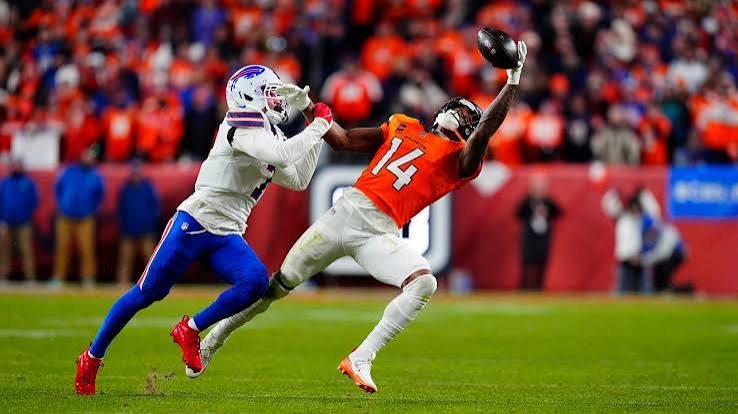
Denver’s receivers displayed determination throughout the matchup by making contested catches and fighting for extra yardage after receptions. Their ability to adjust to the football and secure difficult catches kept several drives alive.
The receiving corps performed well on intermediate routes, taking advantage of openings in Buffalo’s zone coverage. Timing between the quarterback and receivers improved as the game progressed, resulting in multiple successful offensive possessions.
Several receivers contributed meaningful yardage instead of relying on one dominant target. This balanced production made Denver’s offense less predictable and forced Buffalo’s secondary to defend every eligible receiver.
While Buffalo’s defense prevented numerous explosive plays, Denver’s receivers continued competing until the final whistle, producing respectable numbers despite facing one of the league’s stronger defensive units.
Defensive Player Stats and Game-Changing Moments
Buffalo Bills Defensive Standouts
Buffalo’s defense delivered several momentum-shifting plays that influenced the outcome of the game. The defensive line consistently pressured Denver’s quarterback, forcing hurried throws and limiting the time available for deep passing plays. This relentless pass rush helped disrupt the Broncos’ offensive rhythm throughout all four quarters.
The linebackers played an equally important role by stopping the run and covering short passing routes. Their quick reactions prevented Denver from gaining consistent yardage on early downs, creating difficult third-down situations. Strong tackling fundamentals also minimized yards after contact.
Buffalo’s secondary performed well by defending passes and staying disciplined in coverage. Cornerbacks challenged receivers at the line of scrimmage, while safeties provided support over the top to eliminate explosive plays. A key interception and several pass breakups highlighted their impressive performance.
The buffalo bills vs denver broncos match player stats reflected Buffalo’s defensive efficiency through sacks, tackles for loss, quarterback pressures, and timely takeaways that shifted momentum in their favor.
Denver Broncos Defensive Highlights
Denver’s defense also produced several impressive moments despite facing one of the NFL’s most explosive offenses. The defensive line generated pressure on Buffalo’s quarterback, forcing him to leave the pocket and make quick decisions.
Linebackers were active throughout the game, recording numerous tackles while helping contain Buffalo’s rushing attack. Their awareness allowed them to defend screen passes and limit gains after receptions.
The Broncos’ secondary made several difficult plays against Buffalo’s talented receiving group. Strong coverage, well-timed pass breakups, and disciplined positioning prevented even bigger offensive numbers.
Although Buffalo eventually found success moving the football, Denver’s defense remained competitive by creating pressure, forcing punts, and making important stops during critical possessions.
Special Teams Performance
Hidden Yardage That Changed the Game
Special teams often determine field position, and this matchup was no exception. Both kickers converted important field goals while punters consistently pinned opponents deep inside their own territory.
Kick returners looked for opportunities to create explosive plays, but disciplined coverage units prevented long returns. Every possession began with valuable field-position battles that influenced offensive strategy.
Punting accuracy also played a major role. Directional punts forced fair catches and limited return opportunities, helping each defense protect favorable field position.
Even though special teams rarely receive the same attention as offense or defense, their contributions significantly impacted the game’s overall flow.
Key Statistical Comparison Between Both Teams
Offensive Numbers
Buffalo gained success through a balanced offensive approach that combined efficient passing with productive rushing. Their ability to convert third downs and finish drives inside the red zone provided a noticeable advantage.
Denver also generated positive offensive moments but struggled to maintain consistency against Buffalo’s aggressive defensive pressure. Missed opportunities and stalled drives limited their scoring potential.
Both teams demonstrated flashes of explosive playmaking, yet Buffalo maintained greater efficiency in critical situations that ultimately influenced the final result.
Defensive Comparison
Buffalo’s defense excelled in creating pressure and forcing mistakes. Sacks, quarterback hits, and takeaways helped slow Denver’s offense and gave Buffalo favorable field position throughout the contest.
Denver’s defense competed hard and produced several impactful stops, but containing Buffalo’s balanced offensive attack for four full quarters proved challenging.
Overall, the defensive statistics highlighted the importance of timely execution rather than simply total yardage allowed.
Frequently Asked Questions
What do the Buffalo Bills vs Denver Broncos match player stats reveal?
The player statistics show how each quarterback, running back, receiver, and defender contributed throughout the game. They also highlight the key performances that influenced the final outcome.
Who had the best offensive performance in the game?
Buffalo’s offense produced the most consistent performance through efficient passing, balanced rushing, and reliable receiving, although several Broncos players also delivered strong individual efforts.
Which defensive unit performed better?
Buffalo’s defense generally had the stronger overall performance by generating more pressure, limiting explosive plays, and creating turnovers during important moments.
Why are player statistics important after an NFL game?
Player statistics provide a detailed understanding of individual and team performances beyond the final score. They help fans, coaches, and analysts evaluate efficiency and overall impact.
Did special teams affect the outcome?
Yes. Field goals, punts, kick coverage, and field position all played important roles in shaping momentum and giving each offense favorable opportunities.
How often do the Bills and Broncos face each other?
The Buffalo Bills and Denver Broncos meet during the regular season based on the NFL scheduling rotation, with occasional postseason matchups adding even greater significance.
Conclusion
The buffalo bills vs denver broncos match player stats offer a complete picture of how this exciting NFL contest unfolded. From quarterback efficiency and rushing production to receiving success and defensive impact, every statistic tells part of the story behind the final score. Buffalo demonstrated balance on both sides of the football, while Denver showcased determination and several standout individual performances despite facing a talented opponent.
For fans, analysts, and fantasy football enthusiasts, studying these statistics provides valuable insight into team strengths, player development, and overall game strategy. As both franchises continue their NFL seasons, these performances serve as important benchmarks for future matchups, making every statistic an essential part of understanding the game.