Application Mobile DualMedia The Ultimate Guide to Smarter Content Management in 2026

Introduction
In today’s fast-paced digital world, mobile applications have become the backbone of communication, entertainment, and productivity. Among the many innovations shaping this landscape, the application mobile dualmedia stands out as a powerful solution that combines multiple forms of media into one seamless experience. Whether it’s integrating video and audio, text and images, or interactive content, this concept is redefining how users interact with mobile apps.
The demand for richer, more engaging content has pushed developers to think beyond traditional app structures. Users no longer want static experiences; they expect dynamic, multi-layered interactions. This is exactly where dual media applications come into play, offering a blend of content types that enhance user engagement and usability.
In this comprehensive guide, we will explore everything you need to know about the application mobile dualmedia. From its core features and benefits to real-world use cases and development strategies, this article will provide valuable insights for developers, business owners, and digital enthusiasts alike.
What is Application Mobile DualMedia?
Understanding the Concept
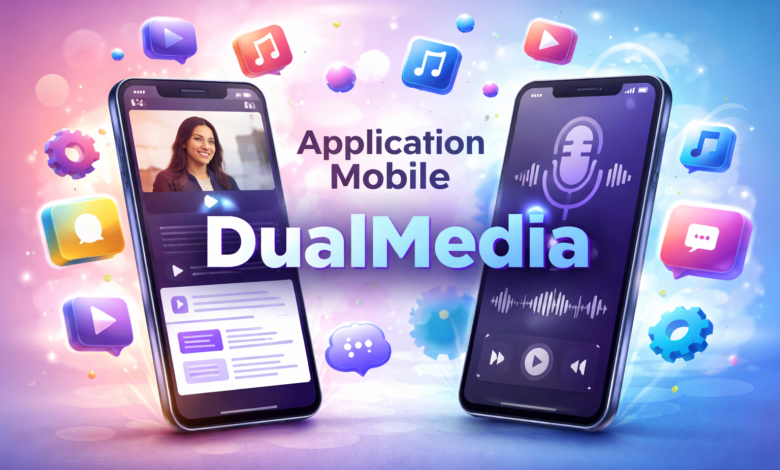
The term application mobile dualmedia refers to a mobile application that integrates two or more types of media formats to deliver a unified and interactive user experience. This could include combinations such as video and text, audio and graphics, or even real-time data with visual elements.
Unlike traditional applications that rely on a single medium, dual media apps are designed to enhance storytelling, communication, and usability. For example, a learning app may combine video lectures with interactive quizzes, while a news app might merge written articles with embedded video reports.
This approach not only improves engagement but also caters to different user preferences. Some users prefer visual content, while others respond better to audio or text. Dual media applications bridge this gap effectively.
Key Characteristics
Dual media applications are defined by their ability to synchronize multiple content formats. This synchronization ensures that users receive a cohesive experience rather than fragmented information.
Another defining feature is interactivity. Users can switch between media types seamlessly or even consume them simultaneously. For instance, watching a video while reading subtitles or annotations enhances comprehension.
Additionally, these applications are optimized for performance. Despite handling multiple media types, they are designed to load quickly and function smoothly across devices.
Why It Matters Today
The growing popularity of social media, streaming platforms, and e-learning tools has made multi-format content essential. Users expect apps to deliver value quickly and effectively.
The application mobile dualmedia meets these expectations by offering richer experiences. It keeps users engaged for longer periods, which is crucial for retention and monetization.
Moreover, businesses can use this approach to communicate their message more effectively, making it a valuable tool in marketing and branding strategies.
Core Features of DualMedia Mobile Applications
Multi-Format Content Integration
One of the most important features of dual media applications is the ability to integrate different types of content seamlessly. This includes combining videos, images, text, and audio into a single interface.
For example, a travel app might display destination images while playing background narration. This creates an immersive experience that static content cannot achieve.
This integration is made possible through advanced frameworks and APIs that allow developers to manage multiple media streams efficiently.
Real-Time Synchronization
Synchronization is critical in dual media apps. It ensures that different media elements work together in harmony.
For instance, in a language learning app, audio pronunciation must align with the displayed text. Any delay or mismatch can disrupt the user experience.
Real-time synchronization requires precise coding and optimization, making it a key focus during development.
User-Centric Design
Dual media applications are built with the user in mind. The interface is designed to be intuitive, allowing users to navigate between media types effortlessly.
Clear layouts, responsive controls, and minimal clutter are essential. Users should not feel overwhelmed by the presence of multiple media elements.
A well-designed application enhances usability and encourages users to explore more features.
Cross-Platform Compatibility
Modern mobile apps must function across different devices and operating systems. Dual media applications are no exception.
Developers ensure compatibility with both Android and iOS platforms, as well as various screen sizes and resolutions.
This broad accessibility increases the app’s reach and ensures a consistent experience for all users.
Benefits of Using Application Mobile DualMedia
Enhanced User Engagement
One of the biggest advantages of the application mobile dualmedia is its ability to keep users engaged. By offering multiple forms of content, it caters to different preferences and learning styles.
Users are more likely to spend time on an app that provides interactive and visually appealing content. This increased engagement can lead to higher retention rates.
Moreover, engaging content encourages users to share the app with others, boosting its popularity.
Improved Information Retention
Studies show that people retain information better when it is presented in multiple formats. Combining visual and auditory elements can significantly enhance understanding.
For example, a tutorial that includes both video demonstrations and written instructions is more effective than text alone.
Dual media applications leverage this principle to deliver content that is both informative and memorable.
Increased Monetization Opportunities
Businesses can benefit financially from dual media apps. The integration of multiple media types opens up various monetization options.
These may include in-app advertisements, premium content subscriptions, and sponsored media placements.
By offering a richer experience, apps can justify higher pricing models and attract more users willing to pay for quality content.
Competitive Advantage
In a crowded app market, standing out is crucial. Dual media applications provide a unique value proposition that sets them apart from traditional apps.
Businesses that adopt this approach can gain a competitive edge by offering innovative and engaging experiences.
This advantage can lead to increased downloads, better user reviews, and stronger brand recognition.
Use Cases of DualMedia Mobile Applications
E-Learning Platforms
Educational apps are among the biggest beneficiaries of dual media technology. They combine video lectures, audio explanations, and interactive quizzes to create effective learning environments.
Students can watch lessons, listen to explanations, and practice exercises all within the same app. This holistic approach improves learning outcomes.
Additionally, features like progress tracking and personalized content make these apps even more valuable.
Social Media Applications
Social media platforms thrive on multimedia content. Dual media capabilities allow users to share photos, videos, and text simultaneously.
Features like live streaming with comments, stories with music overlays, and interactive posts enhance user engagement.
These functionalities make social media apps more dynamic and entertaining.
Entertainment and Streaming Apps
Streaming platforms use dual media to provide immersive viewing experiences. Subtitles, audio tracks, and interactive features enhance content consumption.
For example, users can watch a movie while accessing behind-the-scenes information or trivia.
This added layer of interaction keeps users engaged and encourages longer viewing sessions.
Business and Marketing Tools
Businesses use dual media apps to communicate with customers effectively. Marketing campaigns often include videos, images, and text to convey messages.
Mobile apps can deliver personalized content, product demonstrations, and customer support through multiple media formats.
This approach improves customer satisfaction and drives sales.
How to Develop an Application Mobile DualMedia
Planning and Strategy
The first step in developing a dual media application is planning. Developers must identify the target audience and determine the types of media to be integrated.
A clear strategy ensures that the app meets user needs and achieves business goals.
This phase also involves selecting the right technology stack and defining the app’s features.
Choosing the Right Tools
Developers use various tools and frameworks to build dual media applications. These include media players, content management systems, and cross-platform development tools.
Selecting the right tools is crucial for performance and scalability. It ensures that the app can handle multiple media streams efficiently.
Additionally, developers must consider factors like security, compatibility, and ease of maintenance.
Designing the User Interface
UI design plays a critical role in the success of a dual media app. The interface must be clean, intuitive, and responsive.
Designers focus on creating layouts that accommodate multiple media elements without overwhelming users.
Proper use of colors, typography, and spacing enhances the overall user experience.
Testing and Optimization
Before launching, the app must undergo rigorous testing. This includes checking for bugs, performance issues, and compatibility problems.
Optimization ensures that the app runs smoothly even on devices with limited resources.
Continuous updates and improvements are necessary to maintain quality and user satisfaction.
Challenges and Solutions in DualMedia Apps
Performance Issues
Handling multiple media types can strain system resources. This may lead to slow loading times or lag.
Developers address this by optimizing media files, using efficient coding practices, and leveraging cloud services.
These solutions help maintain smooth performance.
Data Consumption
Dual media apps often consume more data, which can be a concern for users.
To solve this, developers implement data-saving features such as compression and offline access.
These features make the app more accessible to a wider audience.
Complexity in Development
Building a dual media application is more complex than creating a standard app.
It requires expertise in multiple areas, including media integration, synchronization, and UI design.
Proper planning, skilled developers, and advanced tools can overcome these challenges.
FAQs
What is an application mobile dualmedia?
An application mobile dualmedia is a mobile app that combines two or more types of media, such as video, audio, text, or images, to create an interactive user experience.
Why are dual media apps important?
They enhance user engagement, improve information retention, and provide a richer experience compared to single-media applications.
Are dual media apps expensive to develop?
They can be more costly due to their complexity, but the benefits often outweigh the investment, especially for businesses.
Can dual media apps work offline?
Yes, many apps offer offline features by allowing users to download content for later use.
What industries benefit most from dual media apps?
Industries like education, entertainment, marketing, and social media benefit significantly from this technology.
How can I start building a dual media app?
Begin with planning, choose the right tools, design a user-friendly interface, and focus on testing and optimization.
Conclusion
The rise of the application mobile dualmedia marks a significant shift in how mobile applications are designed and experienced. By integrating multiple forms of media, these apps offer a richer, more engaging, and highly interactive environment for users.
From education and entertainment to business and marketing, dual media applications are transforming industries and setting new standards for user experience. Their ability to combine visual, auditory, and textual content makes them a powerful tool for communication and engagement.
While developing such applications comes with challenges, the benefits far outweigh the difficulties. With proper planning, the right tools, and a focus on user experience, developers can create innovative apps that stand out in a competitive market.
As technology continues to evolve, the importance of dual media applications will only grow. Embracing this approach is not just an option—it’s a necessity for anyone looking to succeed in the modern digital landscape.